
Leash reactivity
Walks that don’t end in a scene.
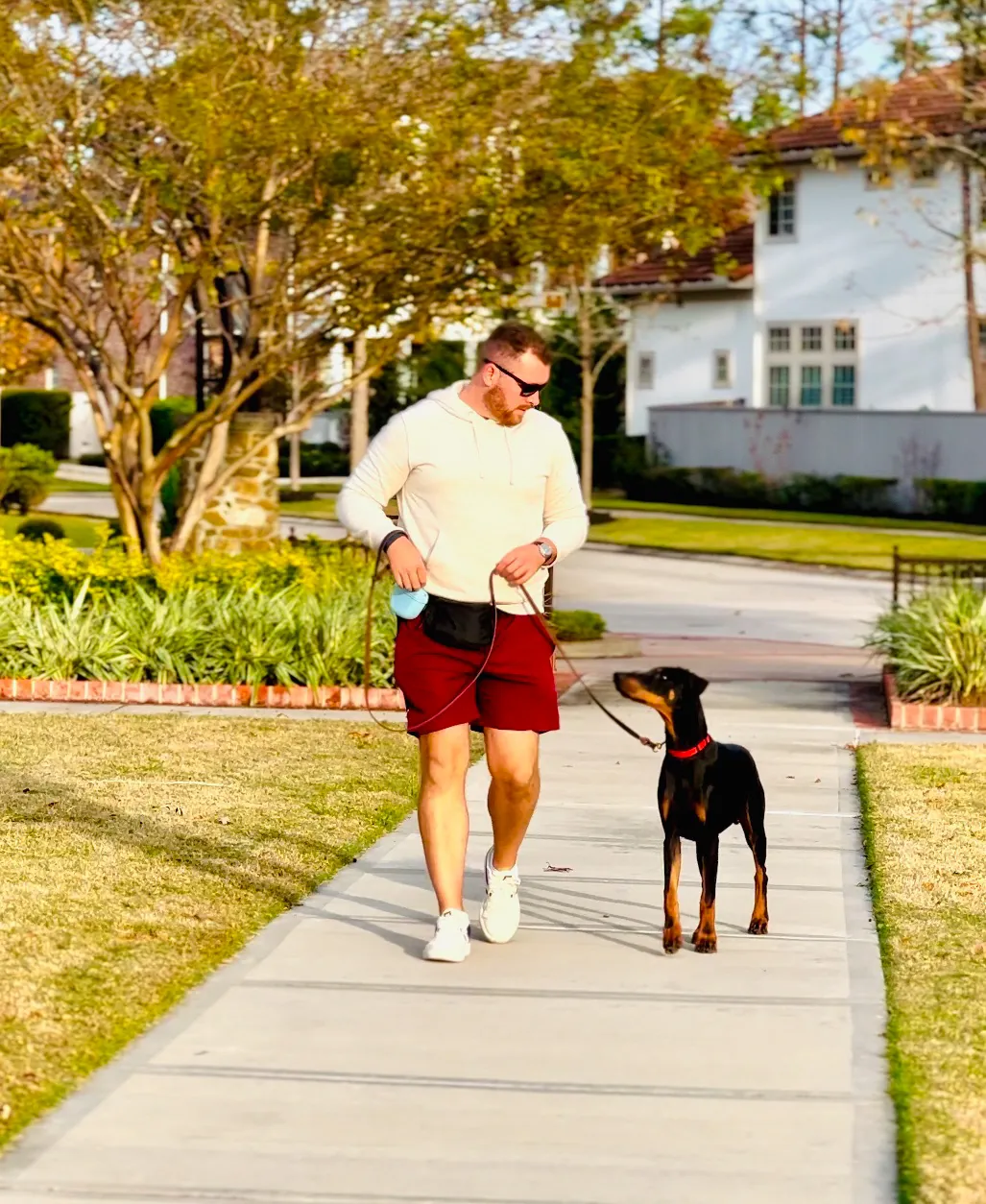
Barking, lunging and spinning at the end of the leash whenever another dog, person or bike appears. It looks like aggression, and sometimes it is, but most reactive dogs are frustrated, over-aroused or scared.
Sound familiar?
- Explodes at other dogs on walks, even from across the street
- Fine off leash or at daycare, a nightmare on leash
- Fixates, stiffens and stops hearing you before the outburst
- Pulls toward triggers, then barks and lunges when close
- You now walk at 5am to avoid everyone
What’s really going on
Reactivity is a state of mind before it is a behavior. The dog is over threshold: too aroused, too frustrated or too worried to think. Correcting the bark alone does nothing about the state that produced it.
Most reactive dogs have also learned that pulling, scanning and fixating work. Every rehearsal makes the pattern stronger, which is why it usually gets worse year over year without a structured plan.
How Seth handles it
The approach.
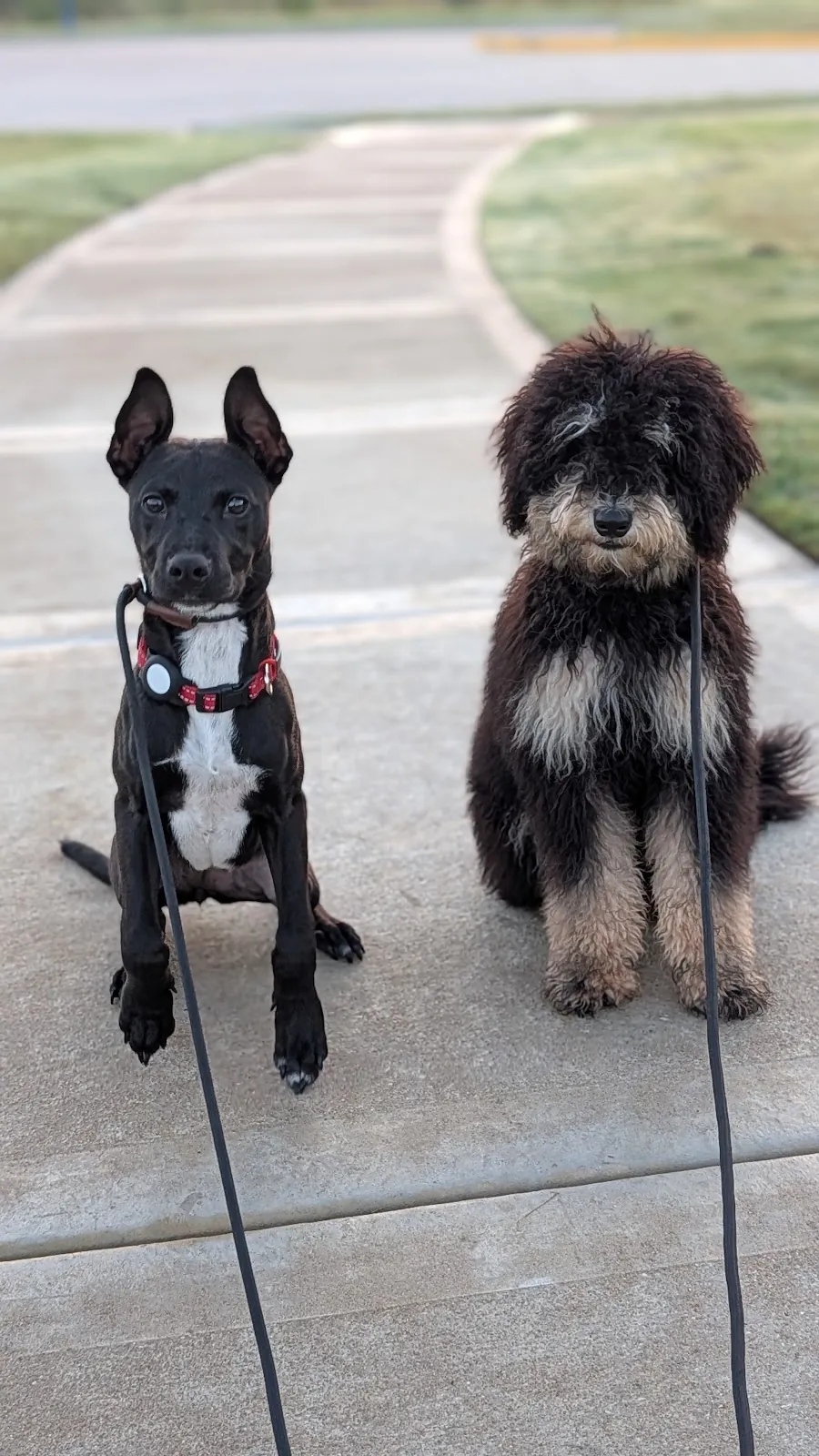
Seth starts with the foundation reactive dogs are missing: a structured heel, a reliable place command and real impulse control. A dog who can hold a position under mild distraction can be taught to hold it under bigger ones.
Then the triggers are introduced on purpose, at a distance the dog can handle, in real places: sidewalks, pet stores, parks. Calm, neutral behavior is rewarded and rehearsed until it becomes the default.
Because your dog lives in Seth’s home during the program, this happens every single day for weeks, not once a week. Then the go-home session teaches you the handling so the walk stays calm with you on the leash.
Recommended
Programs that fix leash reactivity.
Private lessons can also help, especially for handler coaching. See private lessons.
Questions
About leash reactivity.
Is my dog reactive or aggressive?
Reactivity is an over-the-top response to a trigger; aggression is intent to make something go away, with bite risk. They overlap, and Seth assesses which one you are dealing with on the free call and in person. Both are handled in the Platinum and VIP programs.
How long does it take to fix leash reactivity?
Most reactive dogs need the three weeks of Platinum: enough time to build the foundation, then rehearse calm behavior around real triggers day after day. Serious cases, or owners who want off-leash reliability afterwards, do best in the six-week VIP program.
Will my dog be around other dogs during training?
Yes, in a safe, structured way. Best Dog University keeps a limited number of dogs in the home, and Seth uses them to teach neutrality: calm behavior around dogs, not forced play.
Free phone assessment
Tell Seth what’s going on.
The call is free. He’ll ask the right questions, tell you what he’s seeing and recommend the program that actually fits.