
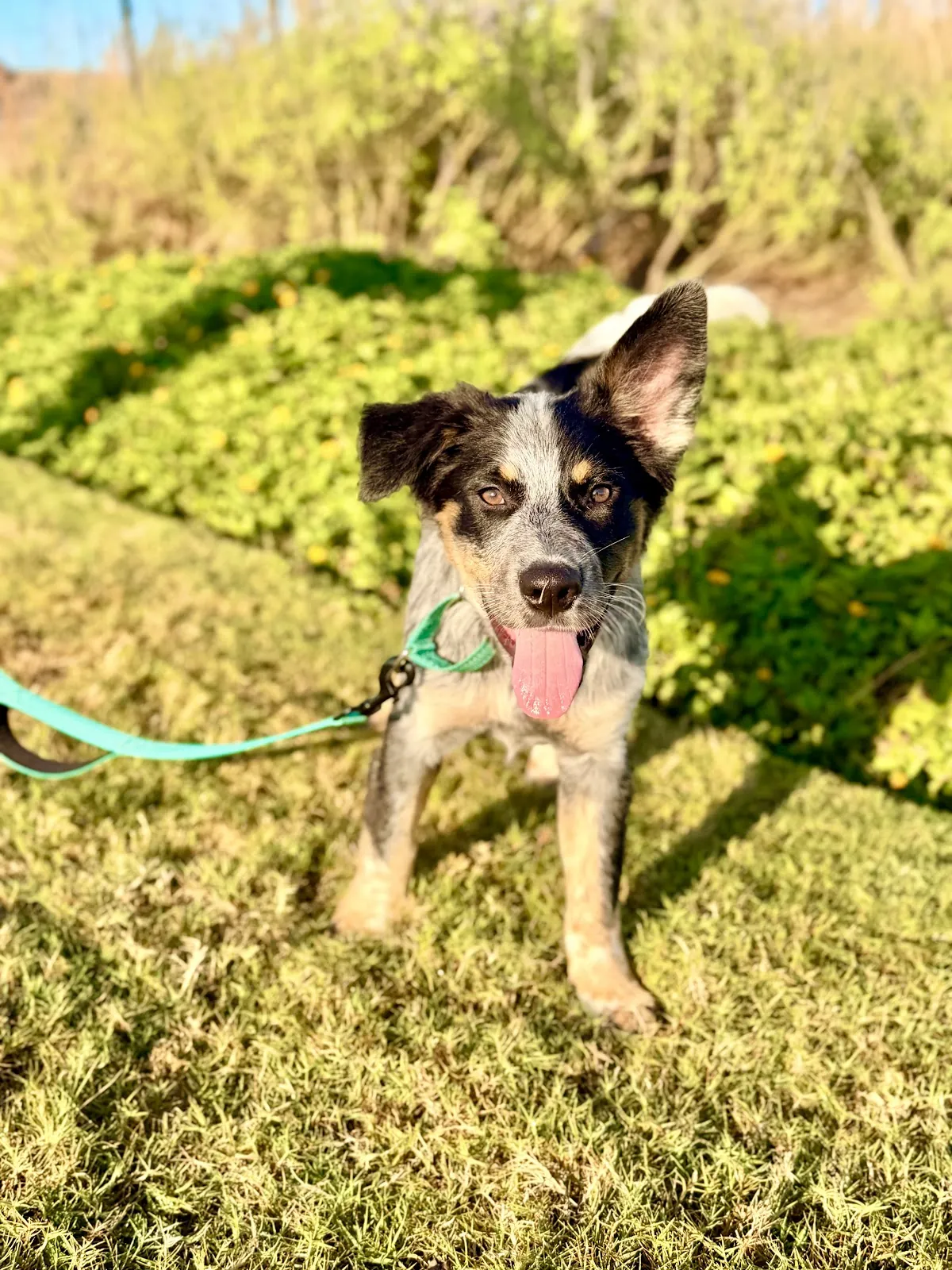
Anxiety and fear
Confidence is built, not talked into a dog.
Separation anxiety, fear of strangers, noise sensitivity, shutting down in new places. Anxious dogs need structure and predictable success more than they need reassurance.
Sound familiar?
- Panics when left alone: howling, destruction, accidents, escape attempts
- Shakes, hides or refuses to walk in new environments
- Barks at every noise, delivery and passerby
- Fearful of strangers, men, hats, or specific situations
- Cannot settle, paces, follows you room to room
What’s really going on
Anxious dogs are living without a framework. They do not know what is expected, what happens next, or that someone else is in charge of decisions. That uncertainty is exhausting, and it shows up as the behaviors above.
Well-meaning comfort often makes it worse: soothing a panicking dog rewards the panic; letting a fearful dog avoid everything means they never learn they can cope.
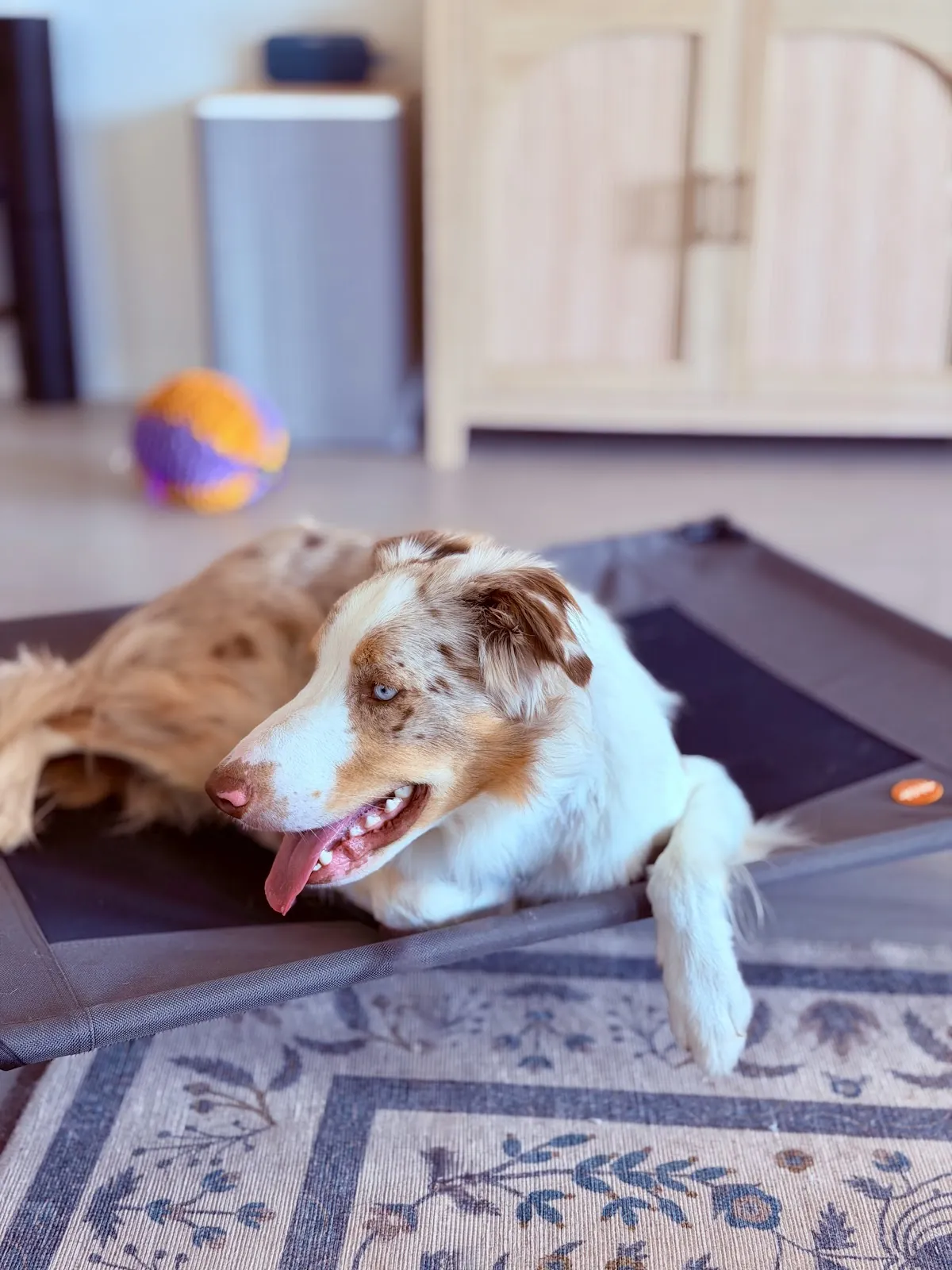
How Seth handles it
The approach.
Structure first. Place command, crate calm, a predictable routine and a structured walk give the dog a job and a set of rules. Most anxious dogs relax noticeably within the first days of living that way in Seth’s home.
Then confidence is built through success: new environments, new surfaces, new people and noises, introduced in a way the dog can handle and rewarded for calm. Field trips and everyday exposure are part of the program.
For separation anxiety specifically, Seth builds duration and independence step by step, then shows you how to keep the routine at home so the calm holds when you leave.
Recommended
Programs that fix anxiety.
Private lessons can also help, especially for handler coaching. See private lessons.
Questions
About anxiety.
Will board and train make my anxious dog worse?
Not in a home environment with a limited number of dogs and one trainer. This is not a kennel. Most anxious dogs settle quickly with structure, and you will see it in the Monday, Wednesday and Friday updates.
Can you fix separation anxiety?
Most separation anxiety improves dramatically when the dog learns to be calm on place and in a crate, with independence built gradually. The go-home session then shows you the routine to keep it that way.
Free phone assessment
Tell Seth what’s going on.
The call is free. He’ll ask the right questions, tell you what he’s seeing and recommend the program that actually fits.