Training
Why the place command changes everything at home.
One command, taught properly, that ends jumping at the door, begging at the table and pacing at night.
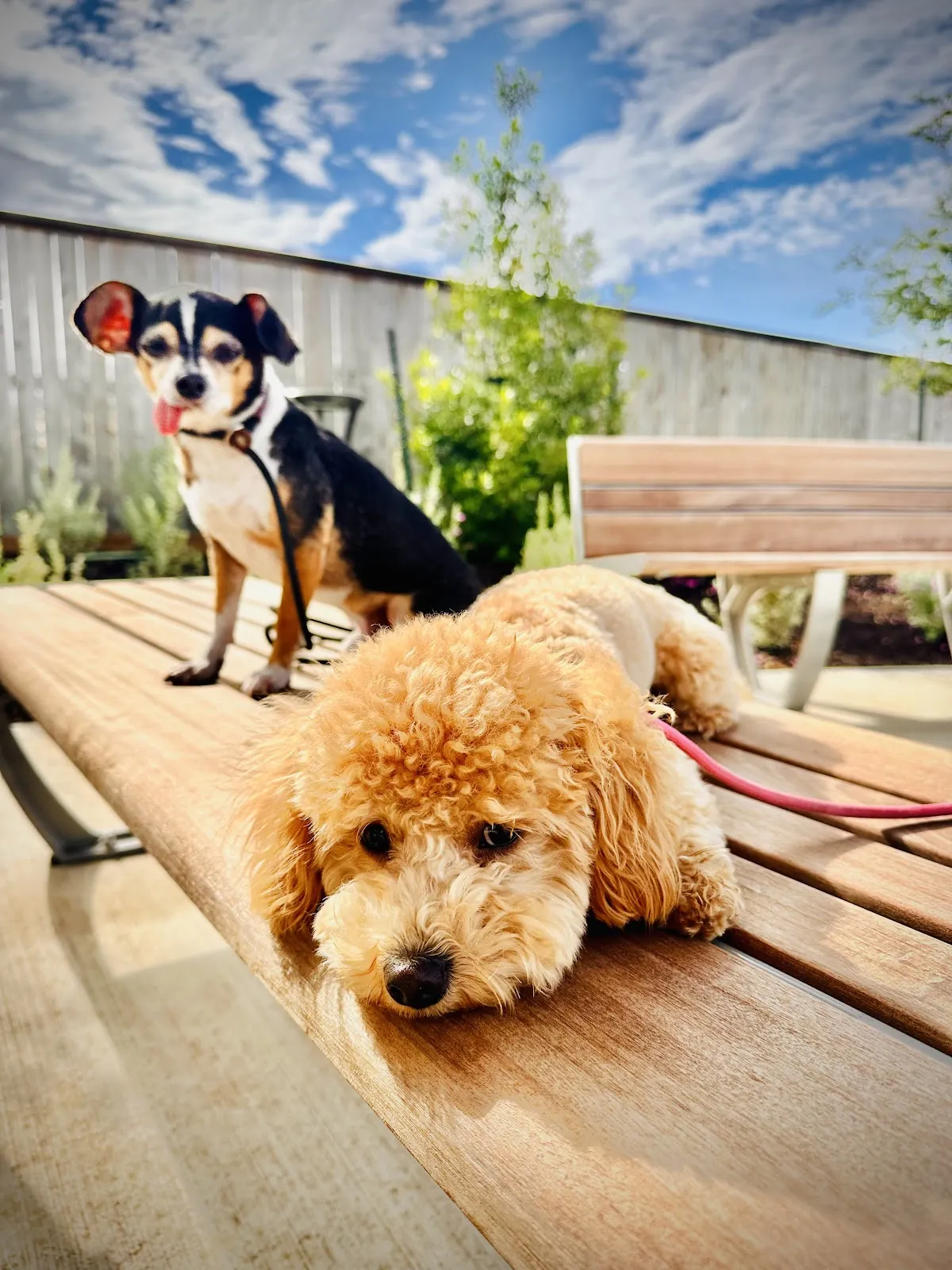
If you could only teach a dog one thing, place would be a strong candidate. The dog goes to a bed or raised cot, stays there, calmly, until released. That is it. And it quietly solves half of the problems on the free assessment call.
What place actually teaches
Place is not really about the bed. It teaches duration, impulse control and an off switch. A dog holding place while the doorbell rings is practicing the exact skill they need everywhere: staying calm and thinking when something exciting happens.
Where it shows up at home
- Guests arrive: the dog is on place, not on your guests.
- Dinner time: the dog is on place, not under the table.
- Kids are playing: the dog is on place, not herding them.
- Evening: the dog settles on place instead of pacing, barking at the window or demanding attention.
- Anxiety: a dog who knows how to hold place has a job and a spot, which is calming in itself.
Why it needs to be taught properly
A dog who gets on the bed for a treat and leaves ten seconds later has learned a trick, not place. Real place has duration (minutes, then an hour), distance (you can leave the room) and distraction (doorbells, food, other dogs). That is built over days of repetition, which is why place and place-stay are cornerstones of every board and train program from Gold up.
In the go-home session, Seth shows you how to use it in your house: where the bed goes, how to send, how to release, and what to do when the dog tests it. Use it every day and it becomes the calmest part of your home.
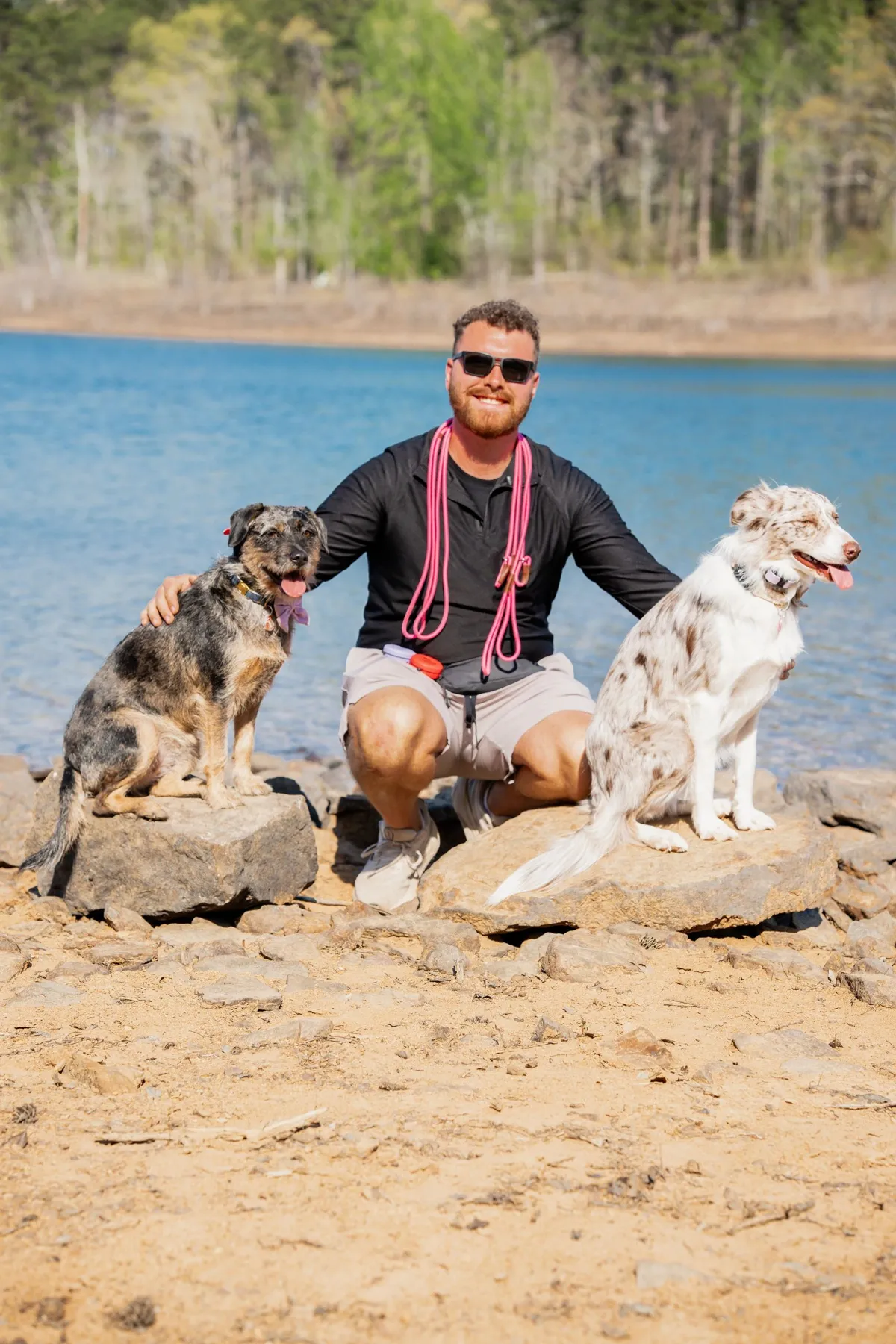
Seth Purdom
Owner and trainer, Best Dog University. 16+ years, 900+ dogs. About Seth